Call and Tell Us What You See
Drips, stains, or shingles on the lawn. We listen first and ask a few quick questions.
A skylight should bring daylight into your home, not drips and stains. When seals wear out, flashing shifts, or a storm cracks the dome, wind-driven rain finds its way in. We reseal skylights and fix the flashing around them, so they stay dry.
Call and tell us what is happening and a local dispatcher will confirm the next step.
Call Now +1 (409) 683-9218 → No spam. No obligation. Just practical help.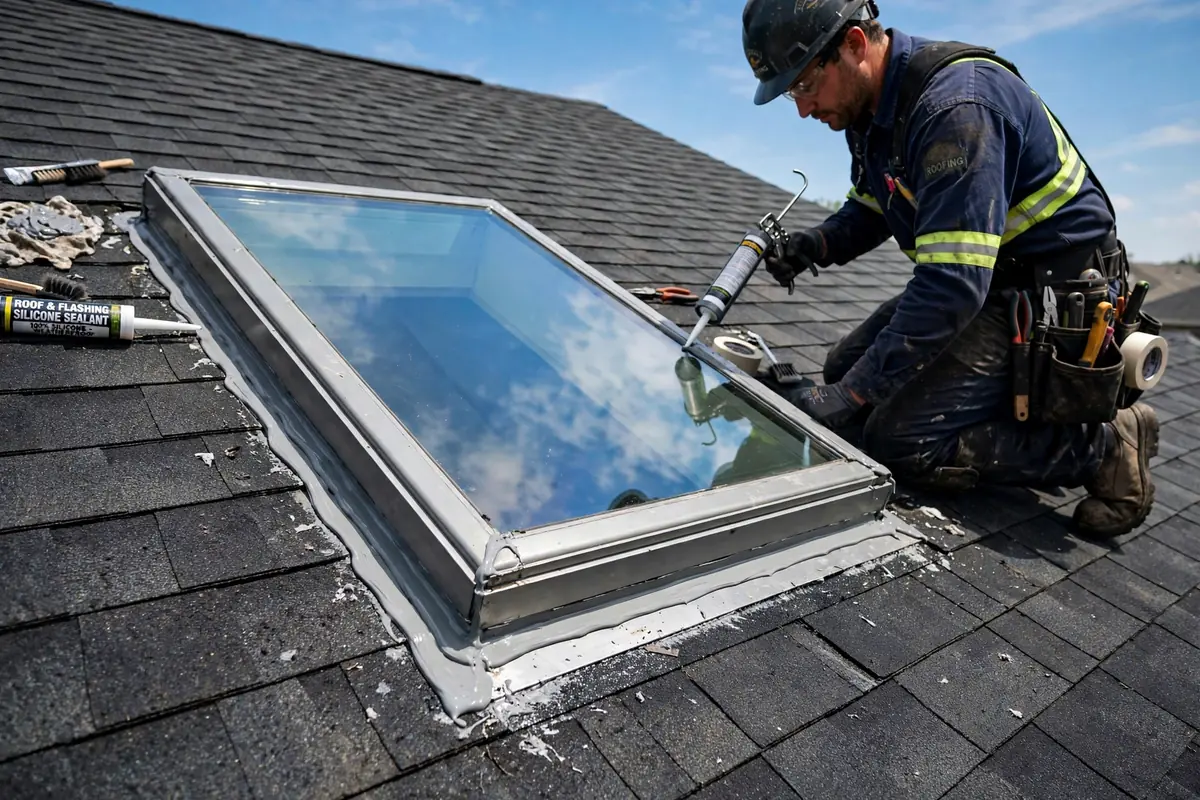
A skylight is a hole in your roof covered with glass, so its seals have to be perfect. Along the Gulf Coast, sun, humidity, and storms wear down gaskets, dry out sealant, and shift the flashing where the skylight meets the roof. Once a gap opens, wind-driven rain comes straight through and stains the drywall below.
We do not guess at the cause. We inspect the skylight, the curb flashing, and the roof around it to tell whether you are dealing with condensation, a failed seal, or storm damage. Most of the time, a careful reseal is enough to stop the leak. We work on skylights in Lago Mar, Chelsea Manor, and Cobblestone, and we always explain what we find before we start.
A spreading water stain is stressful. One call and you will know exactly what is going on.
Drips, stains, or shingles on the lawn. We listen first and ask a few quick questions.
We check the roof and track the true entry point. No talk of repairs until we know the cause.
A clear explanation and your repair choices in plain words. No work starts until you approve it.
Fast response, clear communication, and no pressure. Tell us what is happening.
Call now →We inspect the unit and the roof around it together, because the leak is often in the joint between the two.
We check the seals and gaskets around the glass for cracks, gaps, and dried-out material that lets wind-driven rain through.
The flashing where the skylight curb meets the roof is inspected for shifting, gaps, rust, and worn sealant.
We look for hail dents, cracks from falling branches, and warped frames that can open a path for water.
We trace stains and drips inside to confirm whether you have a real leak or just morning condensation on the glass.
We listen to what you are seeing, where the water shows up, and when the problem started.
We inspect the skylight, its seals, the curb flashing, and the roof around the unit for the entry point.
You get a plain-English rundown of what we found and the practical ways to fix it, with no pressure.
Approved work is done with sealants and flashing materials suited to your roof and our Gulf Coast weather.
We water test the repair, clean up the work area, and tell you what to watch for down the road.
Small details make the difference between a drip and a dry ceiling.
Seals and gaskets are checked for cracks, gaps, and dried-out material that no longer keep water out.
Curb flashing is inspected for movement, rust, and failed sealant after storms like Ike and Harvey.
We help you tell a real leak from morning condensation on the glass, so you do not pay for the wrong fix.
After resealing, the area is water tested to confirm the seal holds before we call the job done.
Sun and age dry out the gaskets, and wind-driven rain works through the small gaps. You see damp drywall and peeling paint around the skylight after every storm.
We remove the old sealant, clean the area, and reseal the skylight with fresh material that fits your roof.
The flashing where the skylight meets the roof shifts or wears over time, opening a path for water right at the joint.
We reseat and reseal the curb flashing so the joint is tight again, then test it to make sure it holds.
A storm cracks the dome or dents the frame, and the next rain comes straight through the broken spot.
We assess whether a reseal will hold or the unit itself needs attention beyond a repair, and we explain both honestly.
A skylight should never drip. If yours does, one of these is usually the cause, and each one is worth a look.
Ask a pro →Water that only appears during rain is almost always a real leak, not condensation on the glass.
Yellow rings and peeling paint around the skylight mean water is getting in around the seals or flashing.
Visible cracks, dents, or gaps around the skylight let wind-driven rain straight through.
The most common causes are worn seals and gaskets around the glass, failing curb flashing, and dried-out sealant. Heavy rain and wind-driven water find any weak point. Impact damage from hail or falling branches can also crack the dome or frame on older skylights.
Condensation usually shows as light fog or small droplets on the glass in the morning, and it dries up during the day. A real leak leaves water stains on the drywall around the skylight, drips during rain, or swelling and peeling paint. If the water only shows when it rains, it is almost always a leak.
Often, yes. If the skylight unit itself is in good shape, we can remove the old sealant, clean the area, and apply new seals and flashing. If the frame is warped, the dome is cracked, or the glass seal has failed between panes, the unit may need attention beyond a reseal.
Most reseals are finished in one visit, often within a few hours. The work depends on the size of the skylight, how hard the roof is to access, and how much old sealant needs to come off. We clean up and test the seal before we leave.
Yes. We use sealants and flashing materials that blend with your roof. Any visible trim is matched as closely as possible to what is already there, so the finished work does not stand out.
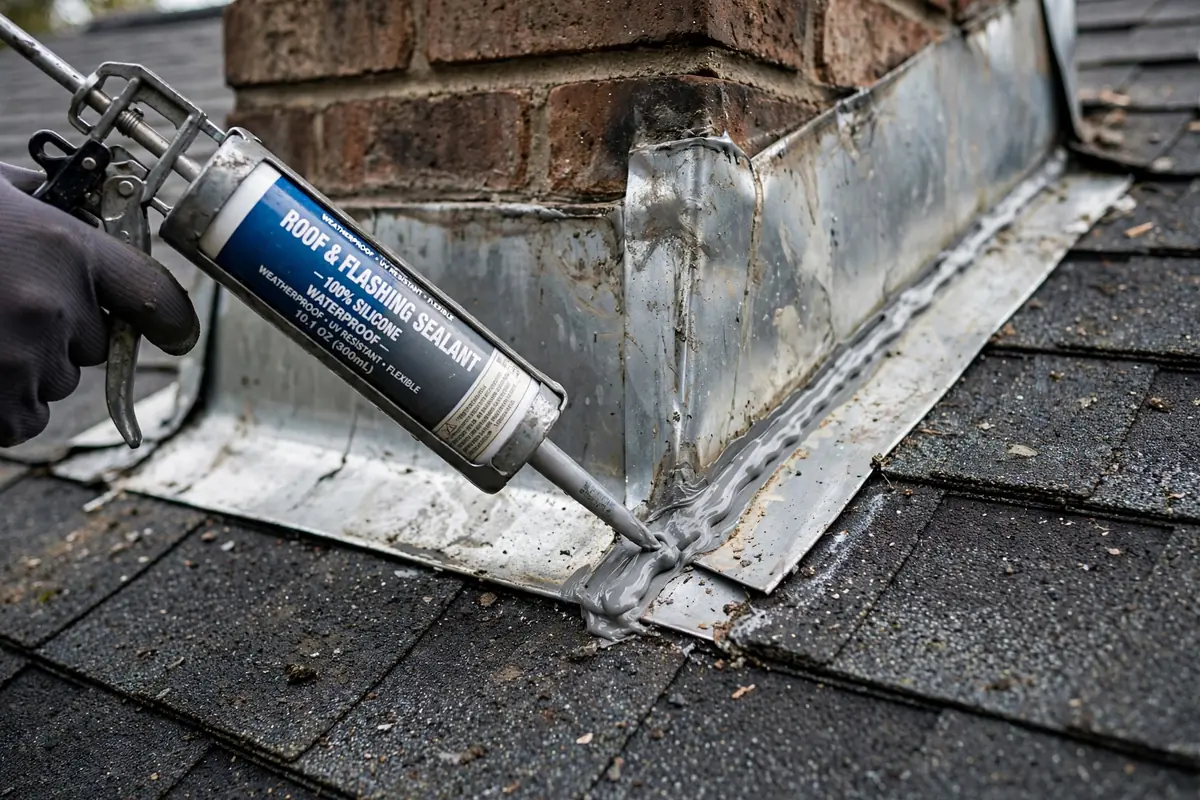 Roof Flashing RepairMost skylight leaks involve the flashing around the curb. We repair and reseal flashing so the whole joint stays watertight through Gulf Coast storms.Explore →
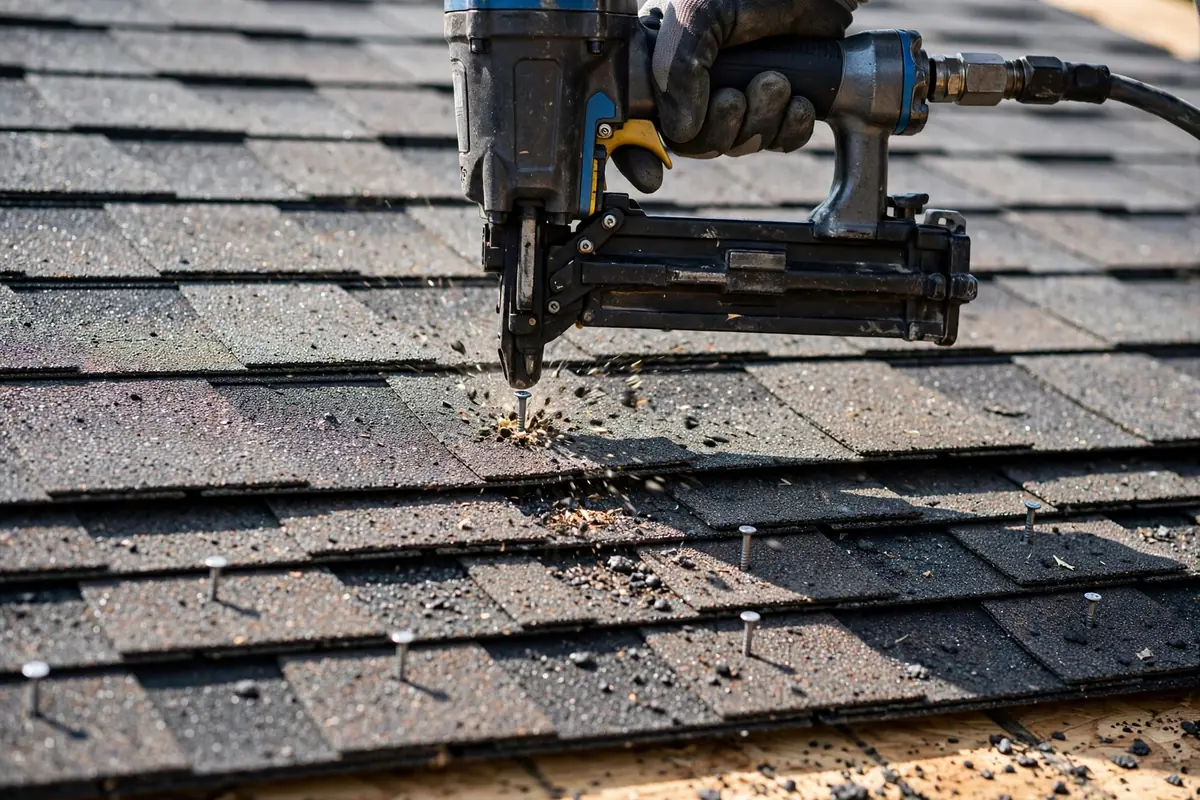 Asphalt Shingle Roof RepairSkylights sit in shingle roofs, and the shingles around the unit matter. We repair damaged shingles near the skylight as part of the fix.Explore →
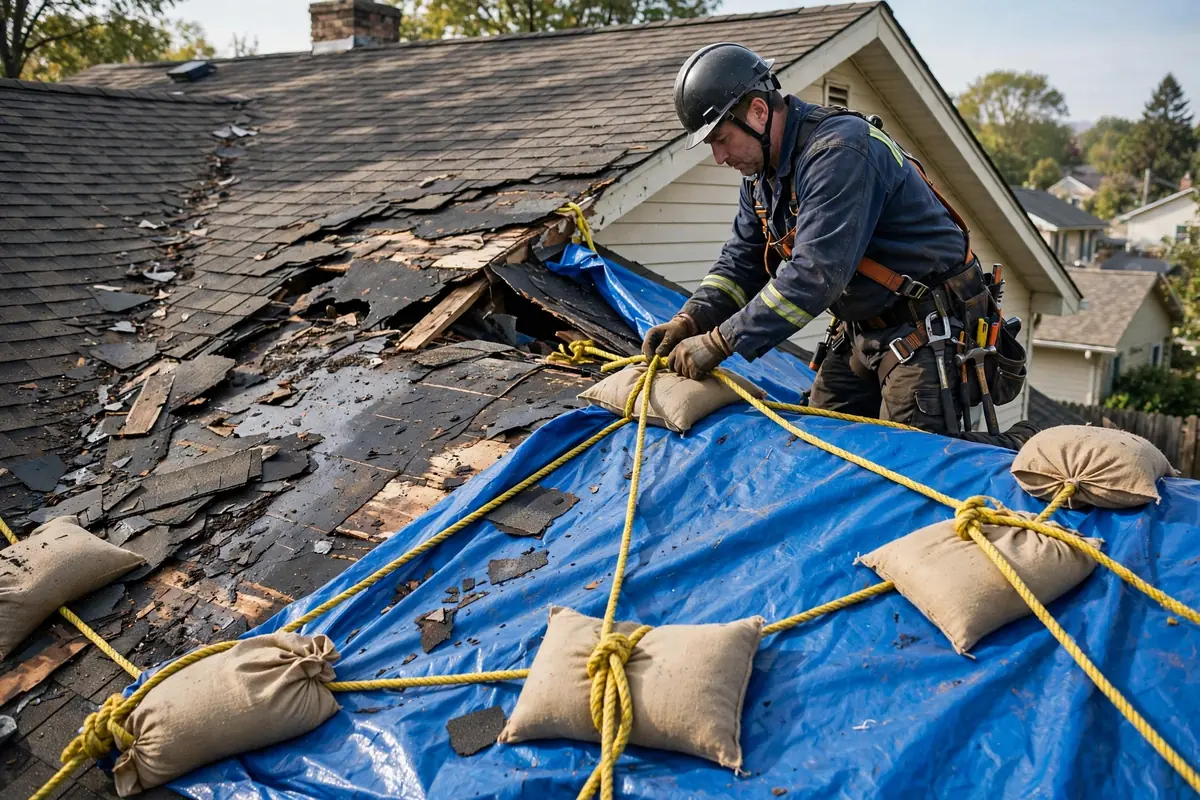 Emergency Roof TarpingIf a storm cracked your skylight, a secure tarp keeps rain out until the repair is done. We respond fast when water is coming in.Explore →
Contact Texas City Roof Leak Repair to talk through your skylight problem and set up skylight leak repair in Texas City, TX. We will start with what you are seeing and help you decide the right next step.
Book Now +1 (409) 683-9218 →Tell us what you are seeing, where the leak shows up, and what kind of roof you have. We will confirm the next step and set up a time that works for you.
For the complete overview, visit our Texas City roof leak repair home page.