Call and Tell Us What You See
Drips, stains, or shingles on the lawn. We listen first and ask a few quick questions.
Roof Vent and Pipe Boot Repair in Texas City, TX targets one of the most common leak sources on Gulf Coast homes. A pipe boot is the flexible collar that seals where a vent pipe passes through your roof. When Texas sun cracks that rubber, rainwater runs down the pipe into your attic. We inspect the boot, the flashing base, and nearby shingles, then explain the fix before work starts.
Call and tell us what is happening and a local dispatcher will confirm the next step.
Call Now +1 (409) 683-9218 → No spam. No obligation. Just practical help.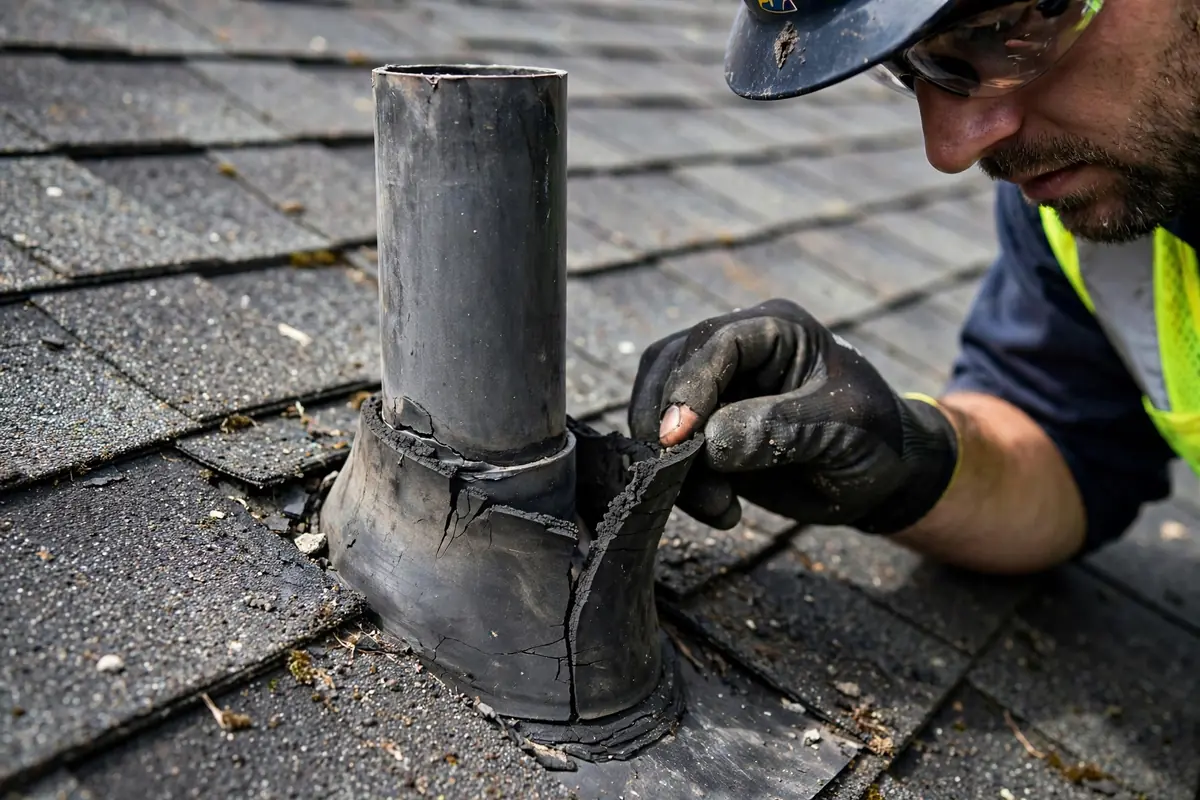
Pipe boots are small parts with a big job. Every plumbing vent stack passes through the roof, and each opening gets a boot: a rubber collar that grips the pipe and a metal base that slides under the shingles. In Texas City, that rubber takes a beating from strong UV, hot attics, and salty air off Galveston Bay, which dries it out until it splits, shrinks, and pulls away from the pipe.
That is why stains on ceilings near bathrooms and kitchens so often lead back to a vent boot. The failure starts quietly: from the ground the roof looks fine, but under the shingles above the vent, water is finding a path along the pipe. A quick on-roof check tells the real story, and most boot problems have a simple fix. We see failing boots on homes in Mainland Park, Clairmont, and Dickinson alike, usually fixed in a single visit.
A spreading water stain is stressful. One call and you will know exactly what is going on.
Drips, stains, or shingles on the lawn. We listen first and ask a few quick questions.
We check the roof and track the true entry point. No talk of repairs until we know the cause.
A clear explanation and your repair choices in plain words. No work starts until you approve it.
Fast response, clear communication, and no pressure. Tell us what is happening.
Call now →A pipe boot is only part of the picture. We check everything around it too.
We look for splits, shrinkage, and brittleness where the boot grips the pipe. Even hairline cracks let water through in a heavy Gulf downpour.
The metal base under the boot can rust, bend, or lift over time. We check its nails, edges, and sealant lines for gaps that let rain slip underneath.
Shingles above and around the vent must overlap the flashing the right way. We look for lifted, cracked, or missing shingles that need attention.
Water stains, damp decking, and dark marks under the roof tell us how long the leak has run and whether the wood needs to dry out.
We find every pipe boot and attic vent on the roof and check each one, not just the one you called about. Catching a second weak boot early prevents another leak later.
We follow the stain path from the ceiling back up to the roof opening. This confirms the boot is the true source before any repair work begins.
You get a plain explanation of what failed and the practical ways to fix it: a reseal or a full replacement. No pressure, no jargon.
The worn boot comes off, the area is prepped and dried, and the new boot or fresh seal goes on with correct shingle overlap so water sheds properly.
We confirm the seal is tight, the shingles sit flat, and the work area is cleaned up. You see the finished repair before we leave.
The right fix depends on how far the rubber and the flashing have gone.
When the rubber is split or shrunken, a new boot slides over the pipe and seals to a fresh flashing base. This lasting fix holds up far longer than sealant alone.
When the boot is still sound but the sealant has dried out, we clean the edges and apply a fresh seal around the collar and base.
When the metal base is rusted or bent, patching around it will not hold. We replace the whole flashing unit so the new boot sits on a solid, flat surface.
Shingles lifted during the repair are reset flat, and cracked ones are replaced with a close color match so the area blends in.
Years of Texas UV bake the rubber until it splits open. Each rainstorm sends water down the outside of the vent pipe into the attic, often for months before a stain appears.
A new flexible boot grips the pipe again, and the sealed base keeps wind-driven rain out of the opening. The leak path is closed at the source.
Sealant around the boot base dries, shrinks, and pulls away over time. The hairline gaps it leaves only leak during hard, wind-blown rain, which makes the problem easy to miss.
Fresh sealant, worked properly into the joint, closes those gaps and flexes with the roof through heat and storms.
Salt air near the bay speeds up rust on the metal base. Once it pits and bends, water runs under the flashing instead of over it, and sealant on top will not fix it.
A new corrosion-resistant flashing base gives the boot a solid seat and sheds water the way the roof was designed to.
Most boot leaks announce themselves inside the house first. Here is what to watch for.
Ask a pro →Round or streaked stains on the ceiling below a vent stack are the classic sign of a boot leak. The stain often grows darker after each heavy rain.
A boot that leaks only in heavy, wind-driven rain usually has a small crack or sealant gap that calm weather never reaches. Do not wait for it to get worse.
A slow boot leak can soak insulation and decking for months before any stain shows inside. A musty smell near a vent stack means it is time to take a look.
A pipe boot is a small cone-shaped flashing that seals the gap where a vent pipe passes through your roof. It has a flexible rubber collar that hugs the pipe and a metal base that slides under the shingles. Every plumbing vent stack on your roof has one.
In Texas City heat, rubber boots often wear out sooner than the shingles around them. Strong UV, hot attics, and salty air dry the rubber until it cracks and shrinks. Many homes need boot attention well before the roof wears out, so have the boots checked every few years.
Light sealant failure can sometimes be resealed with good results. But once the rubber is split, brittle, or shrunken, sealant is only a short-term patch. A new boot is a small job compared to the ceiling damage a failed boot can cause.
Location is the biggest clue. Stains directly below or near a vent pipe almost always point to the boot. Shingle leaks tend to show up as random spots or along a slope. On the roof we can confirm it fast, because a bad boot shows cracks you can see and feel.
Yes. When shingles must be lifted or swapped to replace a boot, we use shingles that match the existing color and style as closely as possible. The repair area should blend in with your roof, not stand out.
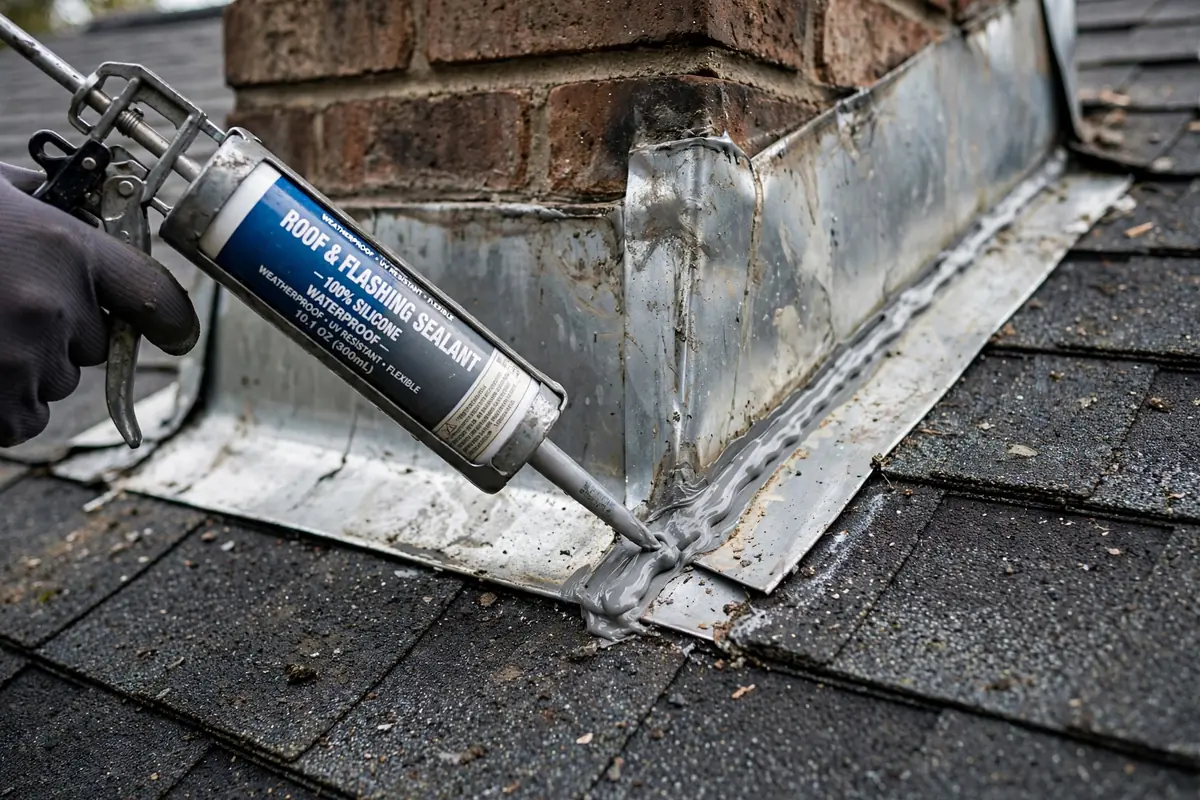 Roof Flashing RepairFlashing around chimneys, walls, and roof edges teams up with pipe boots to keep water out. When several seals wear at the same time, one visit can handle them all.Explore →
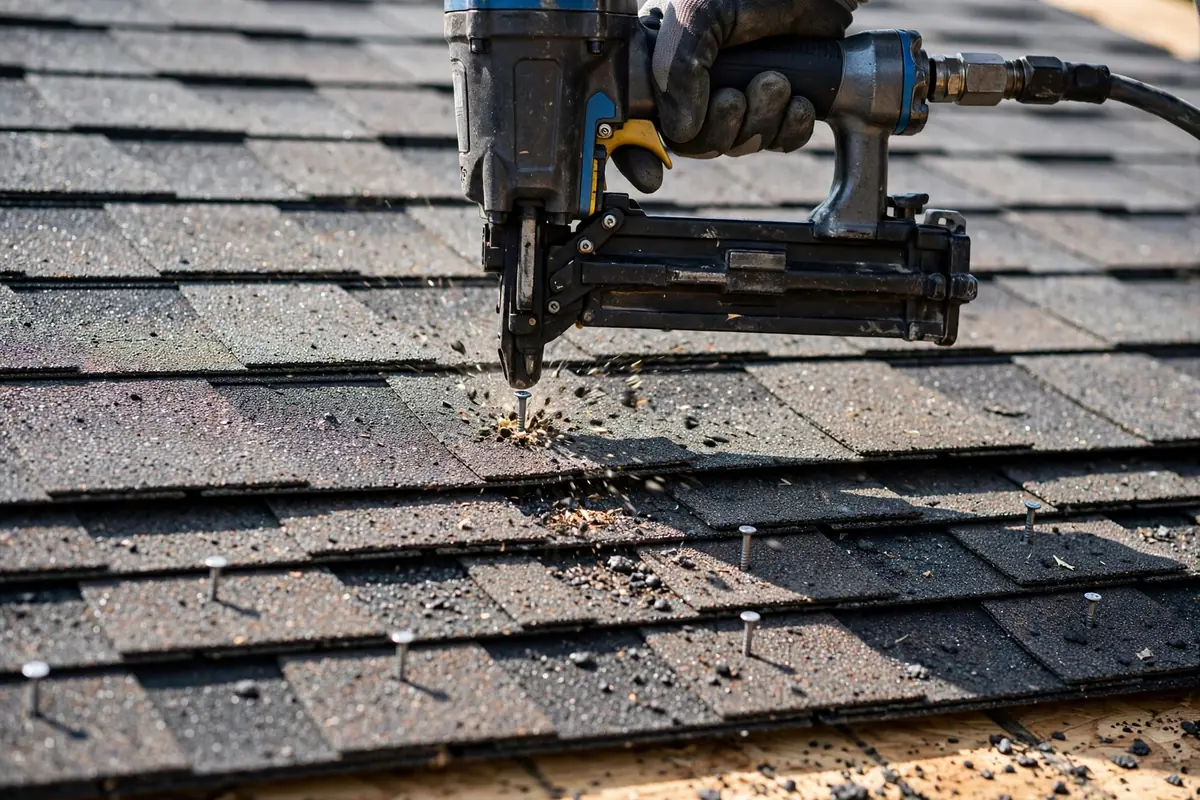 Asphalt Shingle Roof RepairBoots slide under and over shingles, so shingle condition matters. We replace cracked or lifted shingles around vents while the repair area is already open.Explore →
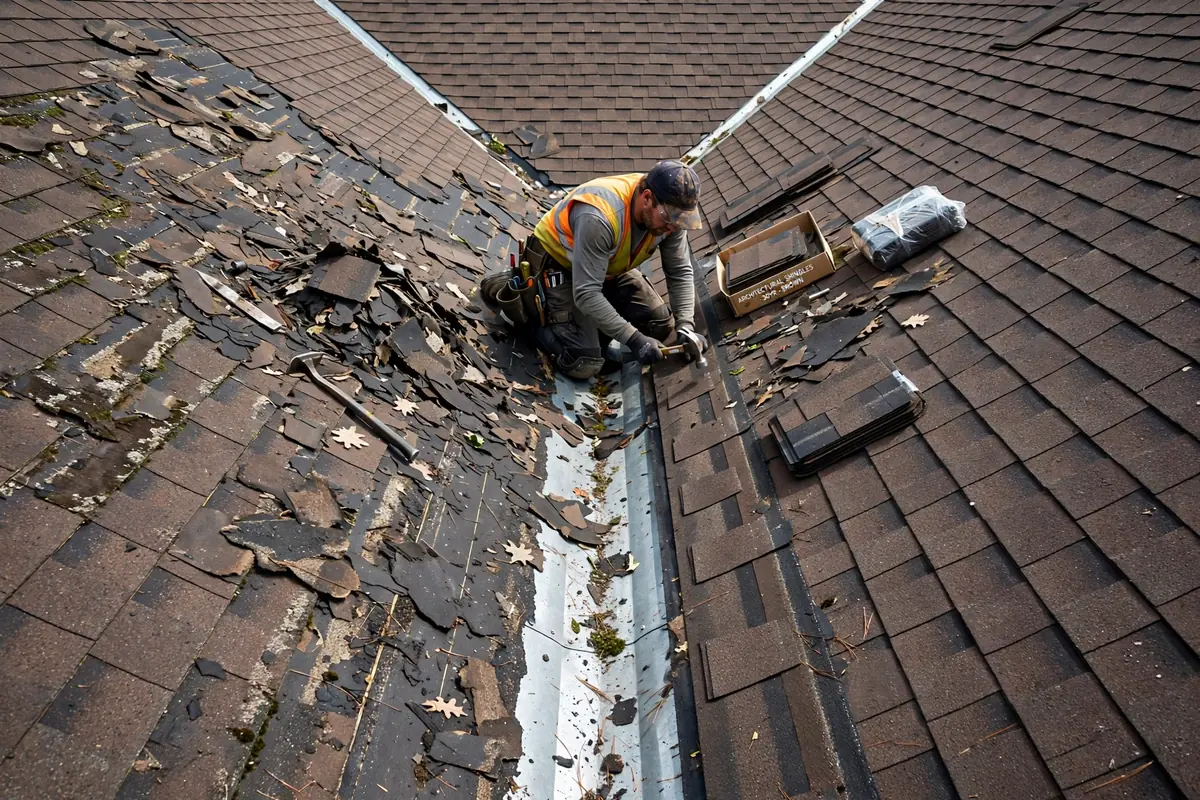 Roof Valley Leak RepairValleys and vent boots are the two most common leak sources on a shingle roof. If water shows up in more than one spot, we check both during the same visit.Explore →
Call Texas City Roof Leak Repair to talk through the stain or drip you are seeing. We will start with your symptoms, check the boots and flashing on your roof, and explain the fix in plain terms.
Book Now +1 (409) 683-9218 →Tell us where the stain or drip shows up and what kind of roof you have. We will confirm the next step and set a good time to come by.
Back to the roof leak repair Texas City home page.