Call and Tell Us What You See
Drips, stains, or shingles on the lawn. We listen first and ask a few quick questions.
Roof Valley Leak Repair in Texas City, TX fixes the channel where two roof slopes meet. Valleys carry more water than any other part of your roof, so when the valley metal wears out, shingles crack, or debris piles up, leaks follow fast. We clear the valley, find the failure point, and rebuild the water channel so heavy Gulf rain flows off the roof instead of into it.
Call and tell us what is happening and a local dispatcher will confirm the next step.
Call Now +1 (409) 683-9218 → No spam. No obligation. Just practical help.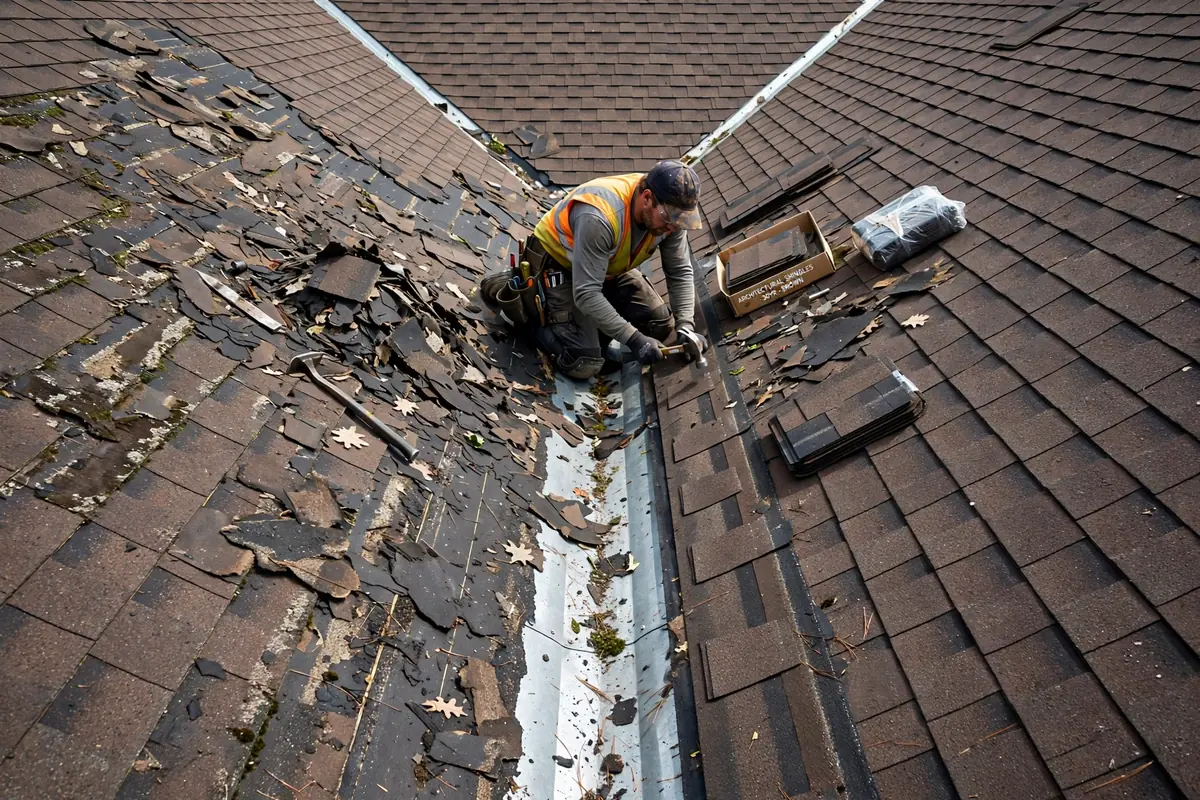
A roof valley is the V-shaped channel where two slopes of your roof come together. Every drop of rain that lands on both slopes funnels into that one channel, which makes the valley the hardest-working square footage on your roof. In Texas City, where Gulf storms can drop inches of rain in a single afternoon, a healthy valley is the difference between water flowing off the roof and water pushing under it.
Valleys fail for simple reasons. Leaves and debris pile up and hold water against the shingles. Valley metal corrodes, and salt air from Galveston Bay speeds that up. Shingles in the valley crack from heat and age, or the cut edge of a closed valley lifts in high wind. Once water gets under the valley, it spreads along the deck and shows up as stains far from the valley itself. We see valley trouble on homes in Kohfeldt Heights, Lago Mar, and Santa Fe alike, and most of it is very fixable.
A spreading water stain is stressful. One call and you will know exactly what is going on.
Drips, stains, or shingles on the lawn. We listen first and ask a few quick questions.
We check the roof and track the true entry point. No talk of repairs until we know the cause.
A clear explanation and your repair choices in plain words. No work starts until you approve it.
Fast response, clear communication, and no pressure. Tell us what is happening.
Call now →A valley leak can start in several places. We check them all before we recommend anything.
Packed leaves and granules hold moisture against the valley and force water sideways under the shingles. We clear the channel first so we can see the true condition underneath.
In open valleys, the exposed metal strip can corrode, dent, or lift. We check for rust, holes, and loose edges, with extra attention on homes closer to the coast.
In closed valleys, shingles are cut or woven across the channel. We look for cracked, curled, or missing pieces, and for cut edges that have lifted in the wind.
The layer under the valley is the last line of defense. We check whether it is still intact or whether water has already reached the deck boards.
We clear loose debris and inspect the full length of the valley, from ridge to eave, to find every weak point instead of just the obvious one.
Stains inside rarely sit right under the valley. We trace the water path along the deck to confirm the valley is the true source of the leak.
You hear the options in plain terms: clear and reseal, rebuild the worn section, or address wider issues if the valley is one of several problems on the roof.
Worn shingles and metal come out, the area is dried and prepped, and the valley goes back together with proper overlap and sealed edges that stand up to Gulf rain.
We make sure the channel runs clean and clear from top to bottom, then clean up all debris from the roof and the yard before we leave.
Open and closed valleys are built differently, and they need different hands.
The metal channel is exposed and easy to inspect. We replace worn metal, reseal the edges, and reset the bordering shingles for a clean, fast water path.
Cut or woven shingles hide the channel beneath. We lift and replace the damaged courses, recut a clean valley line, and seal it against wind-driven rain.
Packed leaves, needles, and granule piles get cleared out so water can move freely. We also flag overhanging branches that are worth trimming back.
Valley edges and transitions get sealed so wind-blown Gulf rain cannot push water sideways under the shingles during a storm.
Leaves and granules pack into the channel and dam the water. It backs up under the shingles and soaks the deck along the whole valley line, sometimes for a full season before anyone notices.
A cleared, smooth channel lets water run straight to the gutter, even in the heaviest downpour. Regular clearing keeps it that way.
Salt air and standing water eat through valley metal over time. Small holes and rusted seams let water straight through to the underlayment, and the damage spreads with every storm.
New valley metal, properly lapped and sealed, restores the waterproof channel the roof was built with in the first place.
Heat, age, and foot traffic crack the shingles sitting in the valley. Each crack is a direct path for water during a Gulf storm, and the valley takes the heaviest flow on the roof.
Fresh shingles, cut and sealed along the valley line, close those paths and handle the water load the way they should.
Valley leaks often show up inside the house, away from the valley itself. Watch for these clues.
Ask a pro →Water from a valley often travels along the deck before it drips. A stain that runs in a line, rather than a round spot, can point back to a valley above it.
During a storm, a valley that spills over its edges or sends water sideways may be blocked or worn. Watch how water moves across your roof in the next heavy rain.
Heavy granule buildup sitting in the valley means the nearby shingles are wearing fast. The valley is carrying that extra load, and it deserves a closer look.
A roof valley is the channel where two roof slopes meet and form a V shape. Rain from both slopes funnels into it, so it carries more water than any other part of the roof. Most homes with more than one roof slope have at least one valley.
It comes down to water volume. All the rain from two slopes flows through one narrow channel, which wears shingles and metal faster there. Debris also collects in valleys and holds moisture against the roof, giving leaks more chances to start.
An open valley shows a metal channel down the middle, while a closed valley covers it with shingles. Both work well when built right. Open valleys shed heavy Gulf rain fast and are easy to inspect. Closed valleys look smoother but need careful sealing at the cut line. We repair both types.
Yes, in most cases. If the rest of the roof is in decent shape, we rebuild only the worn valley section and tie it into the surrounding shingles. A bigger roof conversation only comes up if the whole roof is near the end of its life.
Trim back branches that drop leaves onto the roof, and have the valleys cleared when debris builds up, especially before storm season. A quick clearing is cheap insurance against the most common kind of valley failure.
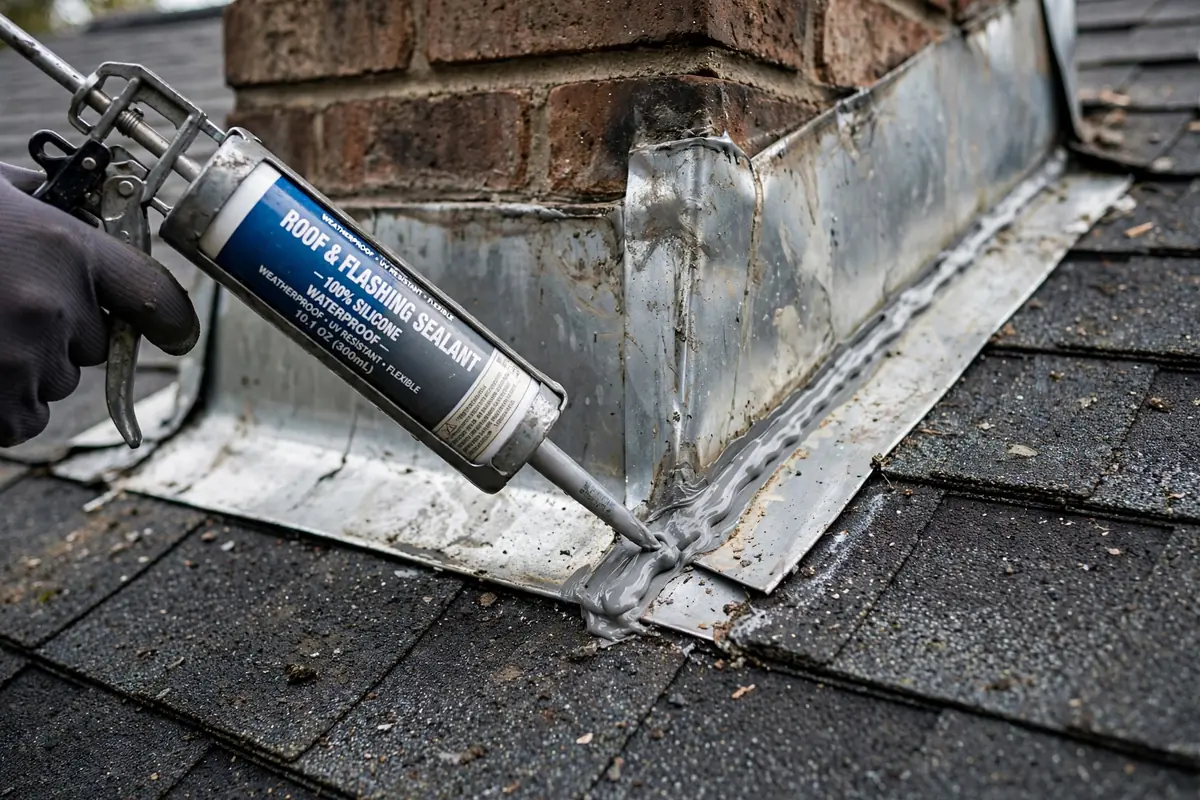 Roof Flashing RepairValleys meet flashing at walls and chimneys, and those joints take the same heavy water flow. We make sure every transition along the valley is sealed tight.Explore →
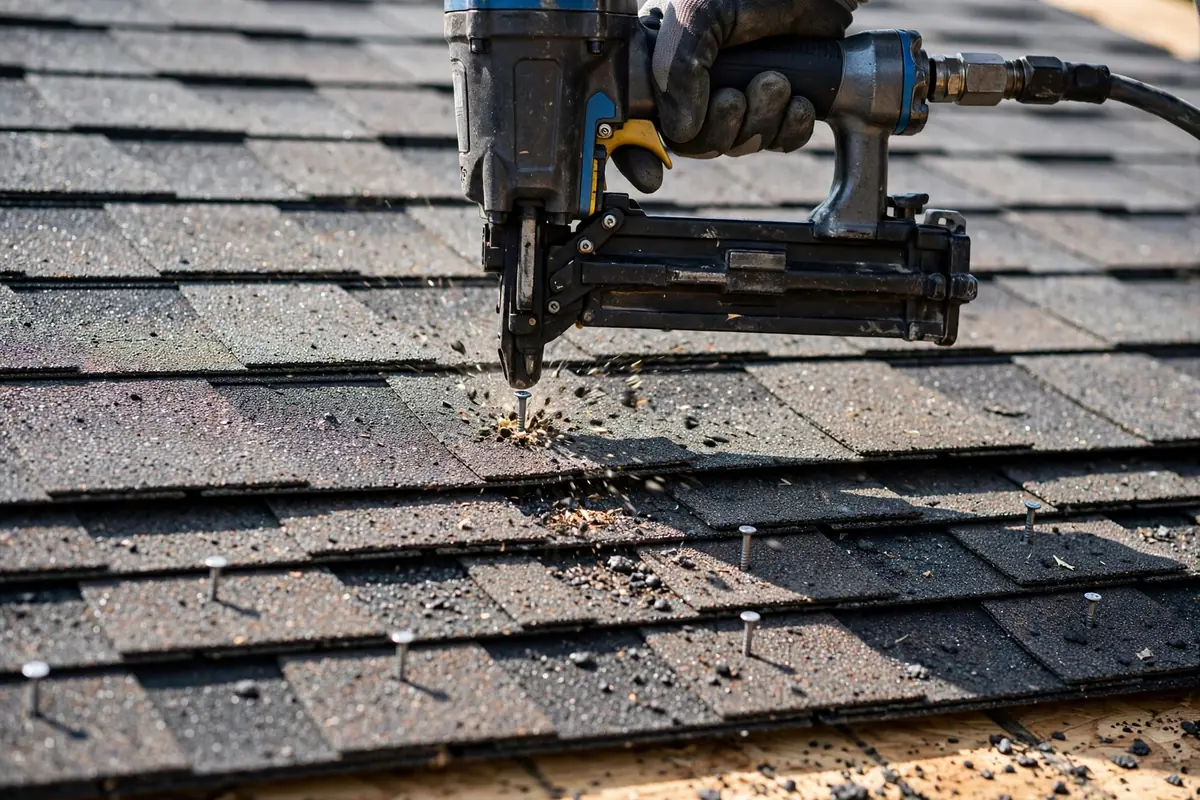 Asphalt Shingle Roof RepairValley shingles wear faster than the rest of the roof. We repair the surrounding field shingles too, so the rebuilt valley ties into solid roofing on both sides.Explore →
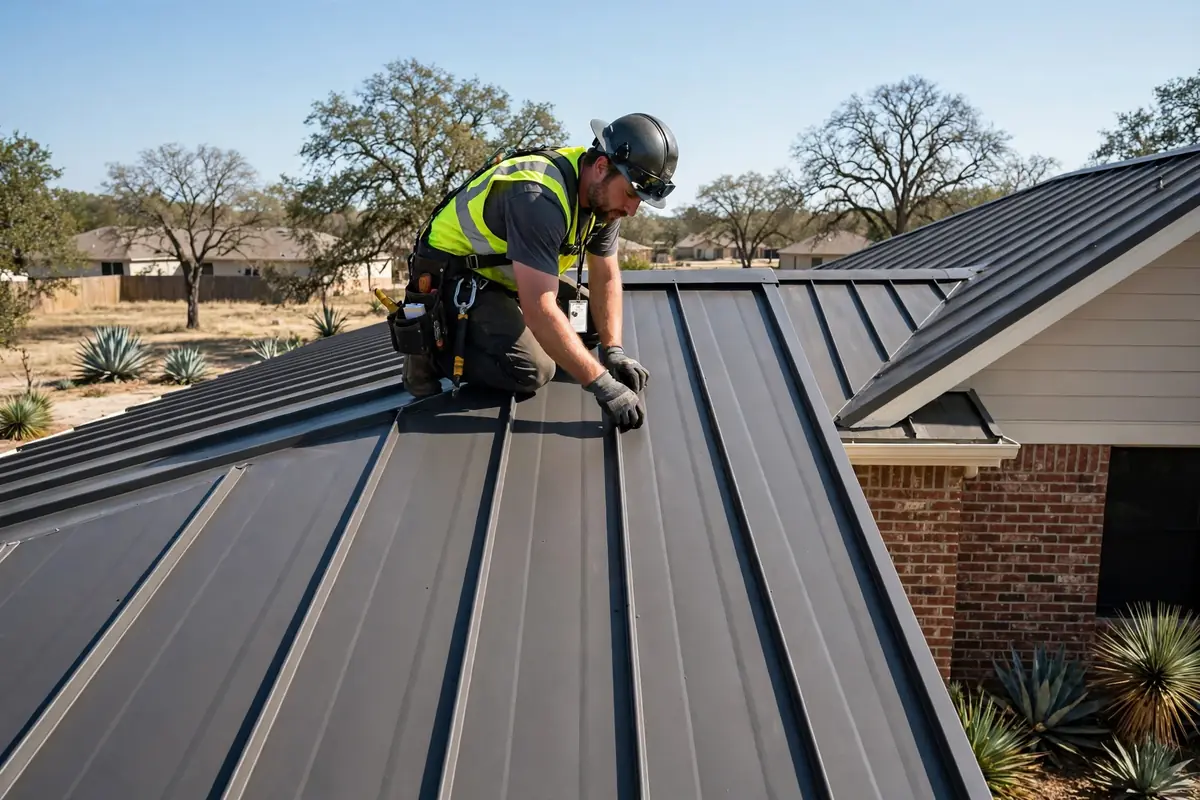 Metal Roof Leak RepairSome Texas City homes mix metal and shingle sections. If your valley sits where the two meet, we seal that transition the right way so neither side leaks.Explore →
Call Texas City Roof Leak Repair about the stain, drip, or overflow you are seeing. We will trace it back to the source, check your valleys end to end, and lay out the fix in plain terms.
Book Now +1 (409) 683-9218 →Tell us where the water shows up and which part of the roof sits above it. We will confirm the next step and set a good time to come by.
For the complete overview, visit our Texas City roof leak repair home page.